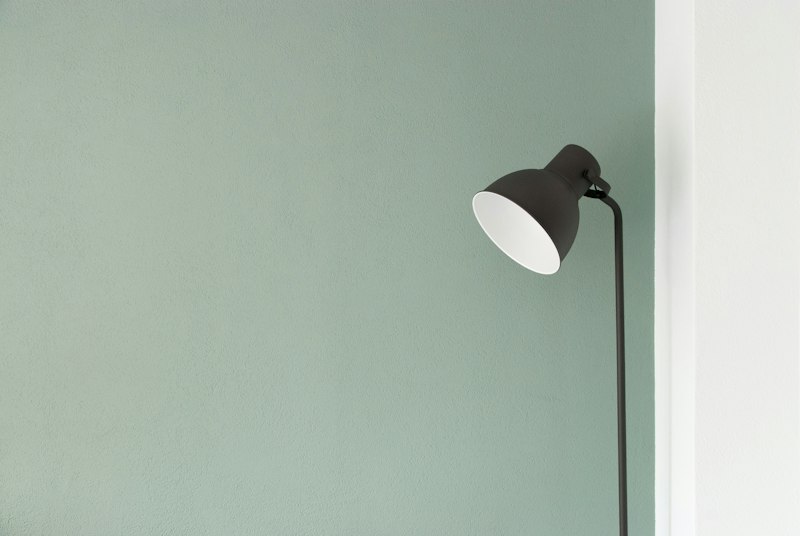
Walk through any tech company's office or browse any popular app store today, and you'll notice something: everything looks the same. White backgrounds, thin fonts, generous whitespace, subtle shadows. Apple's been doing it for years. Google rebranded to match. Even companies that used to have vibrant, complex visual identities have quietly stripped them down to basics. It's enough to make you wonder—why did minimalism win?
I've been thinking about this a lot lately. Minimalism isn't just an aesthetic choice—it's a response to something. Our attention spans are shrinking. Our screens are getting more crowded with notifications and information. We're overwhelmed constantly. And minimalist design is, in many ways, a rebellion against that overwhelm. It's a visual deep breath.
Why Minimalism Became Dominant
The story starts, oddly enough, with the Bauhaus movement in the early 20th century. Designers there were reacting against ornamental excess—they wanted form to follow function, to strip away decoration that didn't serve a purpose. This philosophy influenced everything from architecture to product design to typography.
But minimalism as we know it really took off with the rise of personal computing. Early interfaces were cluttered because designers were trying to make complex machines feel approachable by mimicking the real world—file folders, trash cans, sticky notes. As users became more sophisticated and screens got better, that literal approach started feeling dated and heavy.
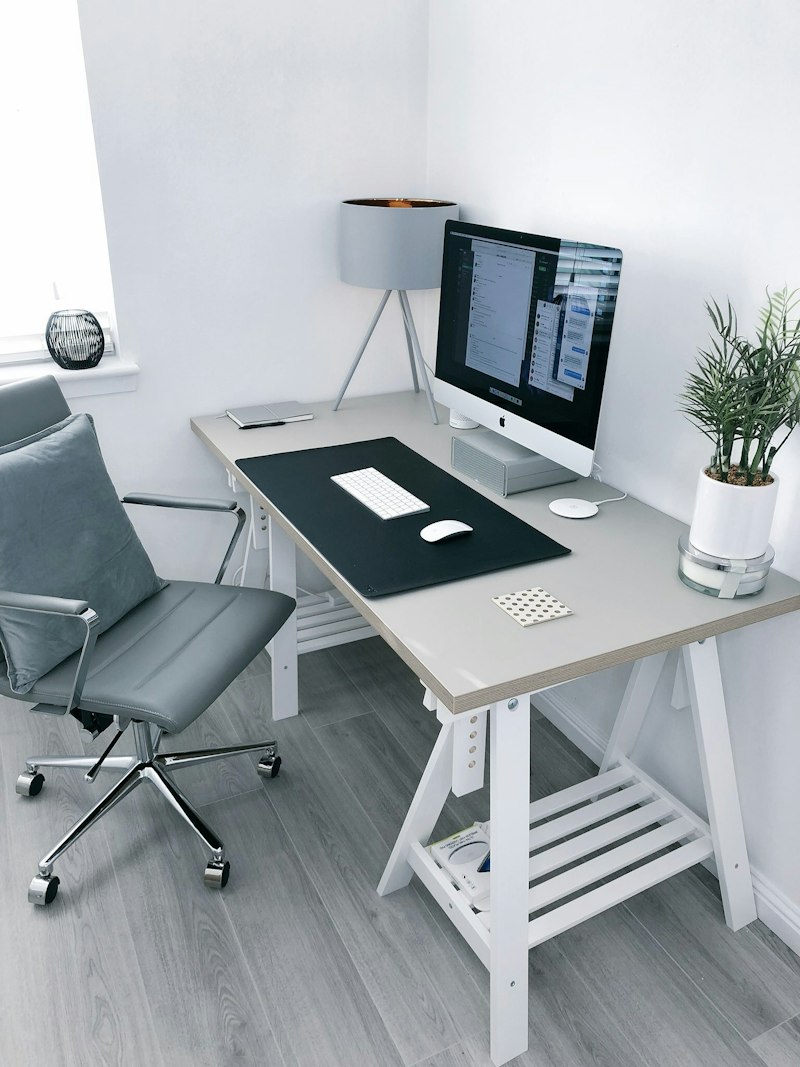
Then smartphones happened, and suddenly designers had tiny screens that absolutely demanded simplicity. A cluttered interface that worked fine on a desktop was unusable on a phone. The mobile-first revolution forced designers to prioritize ruthlessly, to ask "what's actually essential here?" That discipline spread back to desktop design, then to branding, then everywhere.
And let's be honest—there's a status element too. Minimalism signals sophistication. Think about it: when you walk into a cluttered room versus a sparse, well-designed one, the sparse room feels more expensive, more curated, more intentional. There's a perception of quality that comes with restraint. Companies figured this out, and minimalism became associated with premium positioning.
Principles of Minimalist Design
So what actually defines minimalism in design? It starts with removing everything that doesn't serve a purpose. Every element on the page should earn its place. If you can remove something without losing functionality or meaning, you probably should. This doesn't mean your design has to be boring—it means every choice needs to be intentional.
Whitespace is your friend, maybe your best friend. Those empty spaces aren't wasted—they're giving the eye places to rest, creating visual hierarchy, drawing attention to what matters. Beginners often fear whitespace and try to fill it, but experienced designers know that restraint creates elegance. A headline floating in generous space feels important. The same headline crammed between other elements feels anxious and cheap.
Typography does heavy lifting in minimalist design. Without flashy graphics or decorative elements to hide behind, your type choices are exposed. The right font can make a minimalist design feel refined and sophisticated. The wrong font is immediately obvious and devastating. Color palettes tend to be limited—usually one or two colors, often neutrals with a single accent. Every color choice is amplified when there's less of it.
Examples of Successful Minimalist Brands
Apple is the obvious example, for good reason. Their product design, their packaging, their retail stores, their website—all exemplify restraint. The original iPhone had just one physical button. Their packaging reveals products slowly, deliberately, like unwrapping a gift. Every element serves a purpose, and the quality of execution signals premium positioning without shouting about it.
Chanel is another example, though in a different industry. The interlocking C's, the black and white palette, the elegant simplicity—it hasn't changed meaningfully in decades because it doesn't need to. The restraint itself communicates luxury. Compare that to some competitors who pile on logos and details, and suddenly Chanel's simplicity feels confident while the others feel desperate.
In tech, Google's rebrand was a masterclass in minimalism. The old logo had gradients, shadows, perspective—everything but the kitchen sink. The new one is just... letters. Clean, geometric, mathematically precise letters. It works across every surface from a smartwatch face to a billboard. That's the power of restraint: versatility that complexity can't match.
When Minimalism Goes Too Far
Here's the thing nobody in the design world wants to admit out loud: sometimes minimalism is just laziness with better marketing. "We went minimal" can be code for "we didn't have the budget/ideas/time to do something interesting, so we called it a design philosophy."
I've seen startups slap together boring, empty websites and call it minimal. I've seen apps hide confusing UX behind a pretty but useless "clean" interface. When you strip away everything and have nothing to replace it, you're not minimalist—you're just incomplete. Minimalism requires more thought, not less. Every decision matters more when you have fewer decisions to make.
The worst offenders are the ones who remove elements without considering function. They create beautiful landing pages that convert terribly because they took out the call-to-action button along with all the "clutter." They design gorgeous apps that users can't figure out how to use because the simplified interface removed cues that users actually needed. Style over substance isn't design—that's decoration, even if it looks expensive.
Balancing Simplicity with Usability
This is the tightrope every designer walks. You want clean, you want simple, but you also need functional. The answer isn't to choose one over the other—it's to care deeply about both simultaneously. Every element you remove needs to be removed intentionally, with a plan for how the function it provided will still work in the simplified system.
User testing becomes even more critical in minimalist design. When there's less visual information to guide users, they have fewer cues to rely on. If your minimalist interface is confusing, there's nowhere to hide. I've watched users struggle with beautiful, minimal designs that were actually harder to use than cluttered alternatives because the designer prioritized aesthetics over the user experience.
The best minimalist design I've ever seen manages to feel effortless while actually being carefully engineered. Every element is exactly where it needs to be. The whitespace creates natural flow. The typography guides the eye perfectly. It looks simple, but it took enormous effort to achieve that simplicity. That's the goal—not the appearance of simplicity, but genuine, functional simplicity.
Future Trends
Is minimalism here to stay? I think it's going to evolve. We're already seeing some reaction against extreme minimalism—the "Neo-brutalist" movement embraces raw, unpolished aesthetics. The "Y2K revival" is bringing back some of the maximalism of the early 2000s. Design Twitter seems to be getting tired of the same beige, white, and Inter font aesthetic that dominated the late 2010s.

But I don't think minimalism is dying—it's maturing. The best designers are figuring out how to add warmth and personality to minimal designs without losing the benefits. Expressive minimalism, maybe. Typography that's interesting but not cluttered. Strategic use of color that adds emotion without chaos. Subtle textures that add depth without overwhelming.
What won't change is the core principle: intentionality. Good design of any style is about making choices that serve a purpose. Minimalism just forces you to be more honest about those purposes. I suspect the designers who'll thrive are the ones who can balance restraint with expression—who understand when to strip away and when to add back.
Try It Yourself
If you want to experiment with minimalist aesthetics, our CSS Gradient Generator can help you create subtle, sophisticated color transitions that work beautifully in minimal designs. And if you need patterns for backgrounds, our SVG Pattern Generator offers options that add visual interest without overwhelming a clean design. Both tools are free to use and can help you explore what minimalism looks like in practice.
Minimalism isn't about removing everything—it's about keeping only what matters. That's actually a harder design challenge than maximalism, where you can hide your mistakes in the noise. When there's less to hide behind, every choice has to be right. Embrace the constraint, and you'll find it makes you a better designer.